
Friday, June 23, 2017
Thursday, June 22, 2017
Going Somewhere this Summer? Save Energy While You're Gone.

It's that time of year again. Beaches, barbecues, road trips, and more! If you're going on vacation this summer (or you're a snowbird), make sure you follow these 5 tips to save on energy while you're gone.

TIP 1: Turn up the thermostat! You've likely heard this one before, but it's still an important tip. Keep it at around 90 degrees. Warm enough to save energy on your AC, but cool enough to be able to come home to a livable house.
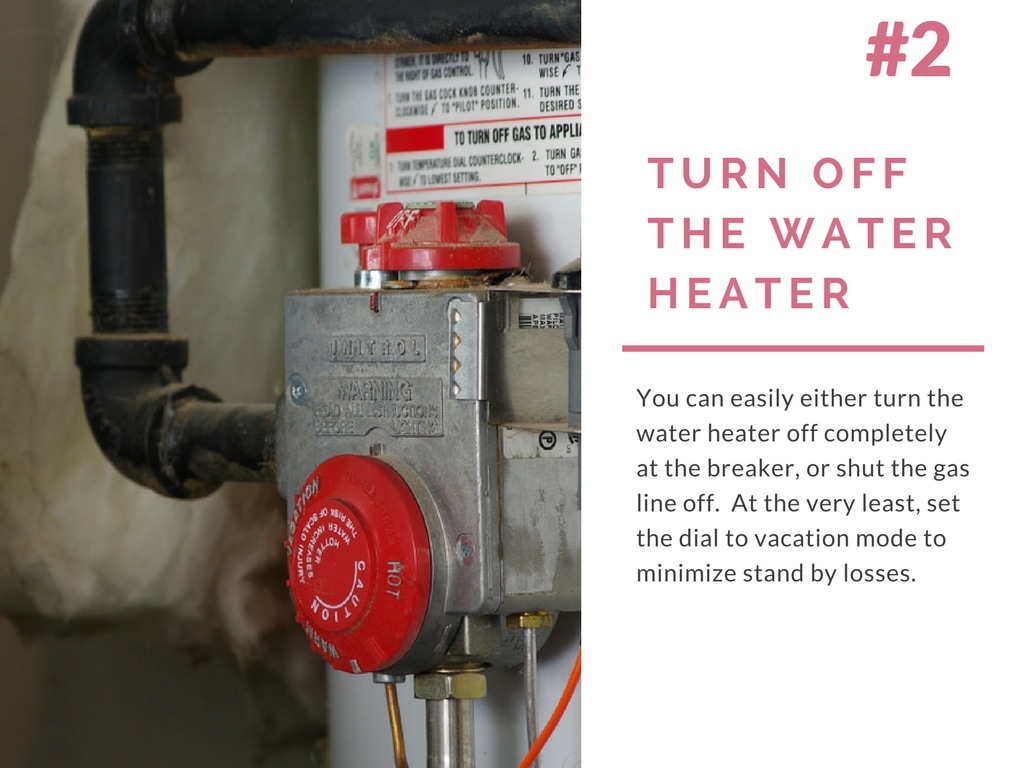
TIP 2: Turn off the water heater. It's not like you'll be using it! You can choose to either completely shut it off, or if there's a vacation setting, feel free to use it.

TIP 3: Get rid of your energy vampires. It's not Halloween yet, but there are still vampires lurking around in the shadows of your house. Your electronics! Again, you're not going to use them, so keeping them plugged in is just a waste.
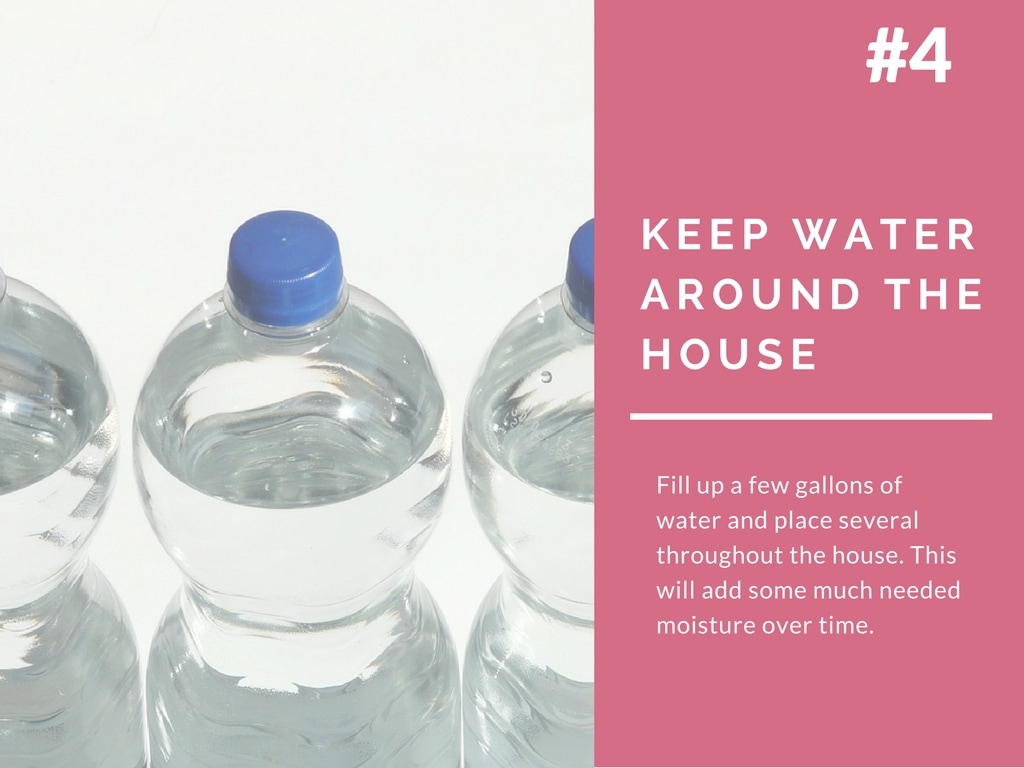
TIP 4: Keep water around. Bottle up some gallons of water and place them around the house for when it gets too dry.

TIP 5: Cover up those windows. Your windows are a major source of heat gain in your house, so just by covering them up, you'll be saving a ton of energy. A window shade screen works best, but any kind of shading will do.
Safe travels, everyone!


Comfort & Payback in Your Home
Making green upgrades to your home
can majorly increase your comfort. Unfortunately, comfort and quick paybacks
don’t always go hand in hand. Upgrades like window replacements, garage
insulation and increasing insulation levels to assure they’re up to the R-38
standard, are all upgrades where the most cost effective solution may not align
with your lifestyle conditions. For example, replacing single pane windows in
good condition is not cost-effective but the price paid for one south or
west-facing window may be well worth the cost if it cools down a hot office or
reduces traffic noise at night. It’s clear that in some situations the
lifestyle conditions may outweigh the cost or payback of upgrades.
Insulation changes are another
popular upgrade that homeowners choose to make. Adding insulation can often
times give homeowners greater temperature control in their home but not every
home is the same in terms of insulation. If a home has already met a R-38
Energy Star standard adding more may still save you money on utilities but only
by a small margin opposed to adding insulation to an aged home where the
insulation has sank. In the later example the upgrade would most likely save
the home owners much more on their utility bills. Often the more important
issue is finding out how the insulation installed. A 5% defect in the installation will cut the
R-value (its effectiveness) by 50%.
All considerations for upgrades can
be discussed with an energy auditor who will give you their professional and
unbiased opinion of the most cost effective upgrades you can be making in your
home. It’s important to get a professional opinion when making investments that
could save you money and increase your comfort.
What is an Energy Audit?
Energy audits in Arizona are done to identify energy saving opportunities for home owners who want to lower their monthly bills, who are unsure what energy saving upgrades would be best for their home, who want to improve their health by cutting down on allergens and pollutants coming from the outdoors, and home owners who want an unbiased energy analysis and recommendations.
An auditor will analyze your energy consumption and home performance by inspecting the layout of the home, its thermal envelope, air flow, and air leakage. This 41-point home energy audit will take into consideration any large appliances in the home as well as lifestyle factors when putting together your final report. This report put together by Green ID’s home-as-a-system inspection is a unique comprehensive action plan for how you can reduce the energy action in your home. This report will outline beneficial upgrades for your home, estimated costs, and payback periods.
Having a home energy audit can help with a variety of problems that you may be experiencing in your home whether it be hot/cold rooms, abnormally high energy bills, low air flow, noise control issues, and drafty rooms. Getting an energy audit can improve almost any home’s energy consumption unless it was designed specifically for energy efficiency.
Having a home energy audit can help with a variety of problems that you may be experiencing in your home whether it be hot/cold rooms, abnormally high energy bills, low air flow, noise control issues, and drafty rooms. Getting an energy audit can improve almost any home’s energy consumption unless it was designed specifically for energy efficiency.
Wednesday, June 21, 2017
Oh, the Weather Outside is Frightful... But my Cool House Feels Delightful!

Well, it's certainly not snowing here in Phoenix around this time of summer. With our infamous heat and unrelenting sunlight, our air conditioners are working overtime just to keep our homes at a livable temperature. That also means it's that time of year when you're probably spending a ton of money on your energy bills. If only there was anything that could be done...
Oh, wait! There is. A huge reason for heat gain in your home is the windows, which are always the least insulated part of any home. Think about all the houses you pass by every day with windows directly in the sun's rays, and no or minimal shading and covering. What a terrible fate! These people must be spending a small fortune to cool their house!
Or maybe you see your neighbors with all kinds of window treatments! Some neighbors might have awnings. Some might have sun shades. Some might just have some shady trees or vines! Great! But how do you know where to go with all these options?
Well, luckily, here's a list of some window treatments that will help curb your heat gain... And, by extension, lower those bills, and make it easier on your AC unit, too! Feels a bit like Christmas in July, right?


Can I Use Spray Foam Insulation In My Cement Block Home?
So you’ve heard about spray foam insulation, but you live in a block home. This makes you wonder, is it even possible to have spray foam in a cement block home? What about in an older home?
The answer is YES!
The ideal way to install spray foam insulation in a cement block home is during construction. This allows our professional installers direct access to the empty concrete block cells that will be filled with the spray foam product.
However, even after construction is finished, or during a remodel or retrofit of an older home, we can get foam insulation into a block wall by drilling a series of holes near the top of the wall and filling the wall one vertical cell at a time.
Working from the inside face (or the surface most likely to be covered with a finish), contractors drill 5/8-inch or 7/8-inch holes into the face of the blocks about 4 feet up from the floor to fit an injection tube running from a “mixer” that combines a non-toxic liquid resin, a foaming agent, and air.
Once the foam starts to seep through the injection holes (indicating a full cavity encompassing several blocks), the process is repeated along the length of the wall every 4 feet, and then again along the top of the wall about a foot short of its full height.
Here is how that works: as one cell fills up, the foam will start to exit from the hole in the adjoining cell, signaling the installer to move the hose to the next cell and seal the hole that was just filled. One vertical cell is filled at a time, until the entire block wall is full of foam insulation.
Another option would be to fur out an interior wall with wood or steel studs and spray the foam directly into place over the face of the block wall and in between the studs. Be advised, this option would imply added material costs in the form of studs, sheetrock, etc…and it would result in a slight – although measurable – loss of interior square footage.
These are only two examples of how spray foam insulation can be retro-fitted to existing concrete structures. Spray foam is a highly adaptable material, and it can be used on nearly any project.
Here at Green ID, we have the needed experience and expertise to assist you with all of your insulation needs!
If you have any questions or concerns about whether our spray foam products can be used at your home, call us at (602) 926-1650.
The answer is YES!
The ideal way to install spray foam insulation in a cement block home is during construction. This allows our professional installers direct access to the empty concrete block cells that will be filled with the spray foam product.
However, even after construction is finished, or during a remodel or retrofit of an older home, we can get foam insulation into a block wall by drilling a series of holes near the top of the wall and filling the wall one vertical cell at a time.
Working from the inside face (or the surface most likely to be covered with a finish), contractors drill 5/8-inch or 7/8-inch holes into the face of the blocks about 4 feet up from the floor to fit an injection tube running from a “mixer” that combines a non-toxic liquid resin, a foaming agent, and air.
Once the foam starts to seep through the injection holes (indicating a full cavity encompassing several blocks), the process is repeated along the length of the wall every 4 feet, and then again along the top of the wall about a foot short of its full height.
Here is how that works: as one cell fills up, the foam will start to exit from the hole in the adjoining cell, signaling the installer to move the hose to the next cell and seal the hole that was just filled. One vertical cell is filled at a time, until the entire block wall is full of foam insulation.
Another option would be to fur out an interior wall with wood or steel studs and spray the foam directly into place over the face of the block wall and in between the studs. Be advised, this option would imply added material costs in the form of studs, sheetrock, etc…and it would result in a slight – although measurable – loss of interior square footage.
These are only two examples of how spray foam insulation can be retro-fitted to existing concrete structures. Spray foam is a highly adaptable material, and it can be used on nearly any project.
Here at Green ID, we have the needed experience and expertise to assist you with all of your insulation needs!
If you have any questions or concerns about whether our spray foam products can be used at your home, call us at (602) 926-1650.
Friday, June 16, 2017

There’s a huge attraction toward solar panels for a reason. The source of “free energy” has been growing in popularity because solar power is a great way to reduce not only your energy bills but also your carbon footprint. Although this energy alternative is definitely something to keep in mind, it’s important to fully consider this investment. Rebates are available for solar through SRP and APS, but the cost alone for having solar installed on your home can cost owners up to $9 per watt, meaning that a 5,000 W system could run you $35,000, and that’s just for installation!
The truth is that, although solar energy use is a great advancement on homes and definitely something to consider, there are more cost effective methods to cutting down your carbon footprint and saving money on your energy bill.
The truth is that, although solar energy use is a great advancement on homes and definitely something to consider, there are more cost effective methods to cutting down your carbon footprint and saving money on your energy bill.
Cutting down energy consumption is an important first step whether you decide to invest in solar power for your home or not. At Green ID, we say reduce before you produce. Reducing your energy use by keeping warmed and conditioned air inside through correct insulation of the walls and roof, and also by making sure your heating and cooling systems are working properly. This will put you in a much better position to use renewable energy if you choose to go that route. This is because by reducing your energy consumption, your home will require a smaller PV system. Cutting down your energy consumption before the instillation of solar panels will not only lower your current energy bills, but also will lower your overall cost of installing and purchasing solar panels because you will require a smaller unit. For each kW you reduce could save you about $500 upfront cost when investing in solar panels.
Home energy audits are the best way to learn where your whole home can save on energy. You wouldn’t get a heart transplant without first making sure you absolutely needed one and in the same way, a home energy audit would be the diagnostic testing of your home. Will solar energy help reduce your energy bills no matter what? Yes, of course it will, but putting solar panels on an inefficient home is like driving a Prius with a hole in the gas tank!
The Department of Energy put together a video explaining what an energy audit includes, and you can also view a checklist of what an energy audit includes here.
Although solar panels may be the right move for you and your home, first consider that it may not be the right first move. It’s important to make improvements on what you already have existing so that you’re cutting back on energy consumption and cost both initially and long term.
http://www.greenintegrateddesign.com/blog/alternatives-to-solar-panels
Home energy audits are the best way to learn where your whole home can save on energy. You wouldn’t get a heart transplant without first making sure you absolutely needed one and in the same way, a home energy audit would be the diagnostic testing of your home. Will solar energy help reduce your energy bills no matter what? Yes, of course it will, but putting solar panels on an inefficient home is like driving a Prius with a hole in the gas tank!
The Department of Energy put together a video explaining what an energy audit includes, and you can also view a checklist of what an energy audit includes here.
Although solar panels may be the right move for you and your home, first consider that it may not be the right first move. It’s important to make improvements on what you already have existing so that you’re cutting back on energy consumption and cost both initially and long term.
http://www.greenintegrateddesign.com/blog/alternatives-to-solar-panels
Subscribe to:
Posts (Atom)